











_11zon%20(1).jpg?width=302&height=124&name=linkedin-sales-solutions-vqWWOnA6--M-unsplash%20(2)_11zon%20(1).jpg)






Contractor compliance isn't just about collecting paperwork before someone starts work. For enterprise organisations, it's about maintaining consistent governance across multiple departments, projects and suppliers while meeting Australian workplace obligations.
A structured compliance checklist helps reduce administrative effort, improve audit readiness and create greater confidence across HR, Procurement and Operations.
Why Contractor Compliance Requires More Than Documentation
As contractor workforces grow, organisations often discover that compliance processes vary significantly between teams.
Some managers request insurance certificates immediately. Others rely on email reminders. Document reviews happen inconsistently, making it difficult to know whether compliance requirements remain current.
Recent changes to Australian workplace laws have reinforced the importance of correctly managing contractor relationships throughout their lifecycle—not simply at the point of engagement.
Compliance Insight
The strongest enterprise compliance programs focus on ongoing verification, not just collecting documents before day one.
The Enterprise Contractor Compliance Checklist
Before Engagement
Confirm:
-
Contractor classification
-
Scope of work
-
Supplier approval
-
Required documentation
Identity and Work Eligibility
Verify:
-
Identity documentation
-
Right-to-work requirements where applicable
-
Business registration details where relevant
Insurance Verification
Confirm current:
-
Public liability insurance
-
Professional indemnity insurance (where required)
-
Workers compensation arrangements where applicable
Qualifications and Licences Before Engagement
Ensure relevant:
-
Industry licences
-
Trade qualifications
-
Certifications
-
Expiry dates
Safety Requirements
Complete:
-
Site induction
-
WHS requirements
-
Emergency procedures
-
Site-specific training
Under Australia's work health and safety framework, organisations engaging contractors continue to hold responsibilities for providing safe systems of work and appropriate workplace controls.
Ongoing Compliance Matters Most
One of the biggest enterprise challenges isn't collecting documents—it's knowing when they expire.
Instead of relying on calendar reminders, many organisations now use centralised monitoring to track:
-
Licence renewals
-
Insurance expiry
-
Certification updates
-
Safety training validity
This creates stronger governance while reducing manual follow-up.
Traditional Compliance vs Continuous Compliance
|
Traditional Approach |
Continuous Compliance |
|---|---|
| One-off document collection | Ongoing monitoring |
| Manual reminders | Automated alerts |
| Department-owned records | Central visibility |
| Reactive updates | Proactive governance |
Audit readiness shouldn't require weeks of manual preparation.
Australian Government guidance encourages businesses to maintain appropriate records that demonstrate contractor arrangements have been managed correctly throughout the engagement.
How Oncore Supports Enterprise Compliance
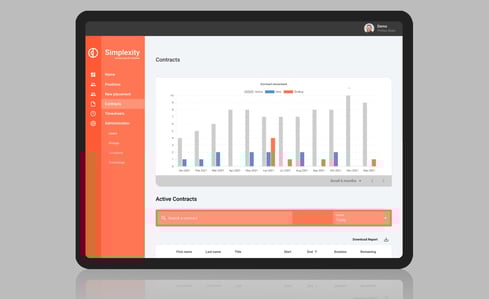
Enterprise compliance becomes significantly easier when organisations use consistent workflows instead of disconnected processes.
The result is a more consistent contractor experience while giving leadership teams greater confidence in compliance oversight.
Talk to Oncore about creating a contractor compliance process that gives HR, Procurement and Operations greater visibility while supporting consistent governance across your organisation.